
Introduction
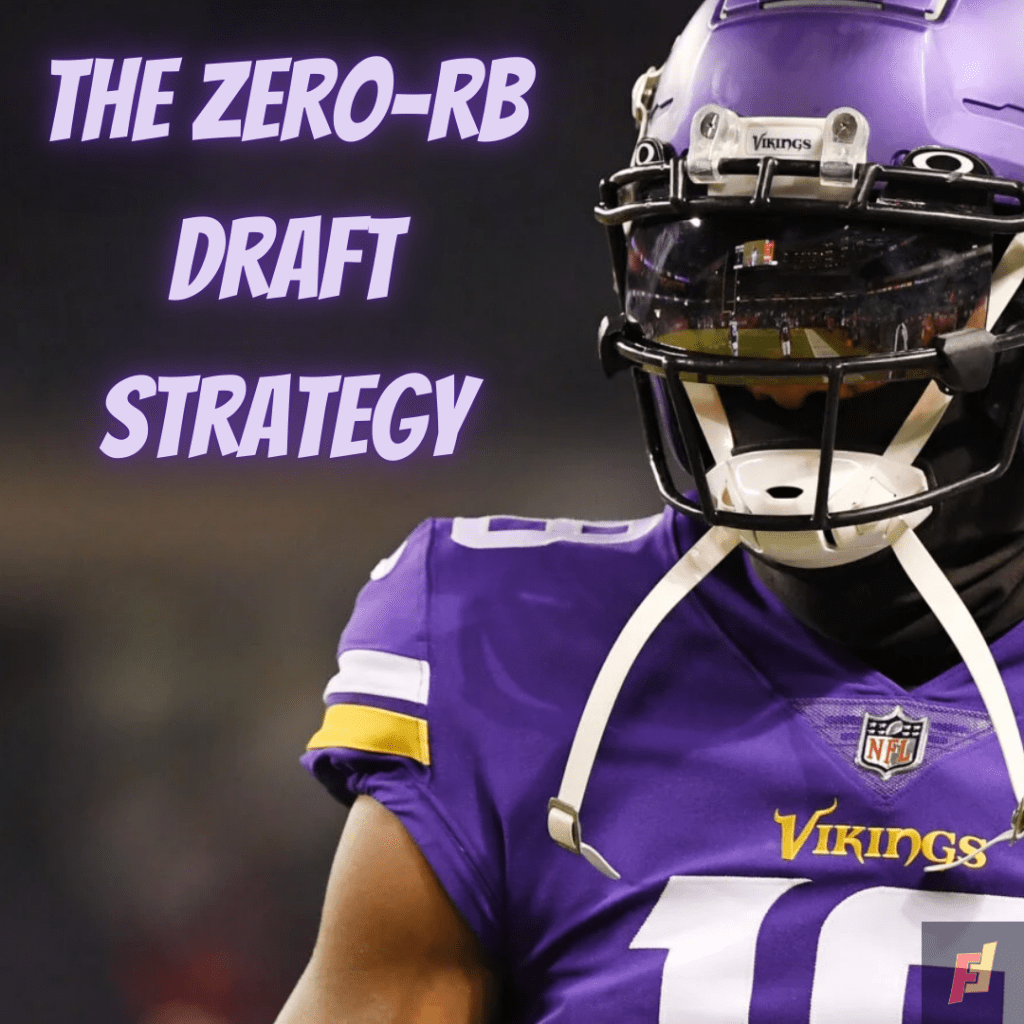
There are unlimited approaches to tackling a fantasy re-draft every year. Usually, our strategy is influenced by our experiences from the previous year. Did you struggle at wide receivers all season? If so, you’re probably going to prioritize securing an elite wide receiver early in the draft, possibly even passing over a more skilled player to do so. As humans, it’s challenging not to let our past emotions guide our decisions. However, having a well-defined draft strategy can help you stay on course and greatly improve your draft. There are a ton of draft strategies to consider, such as hero-RB, zero-RB, balanced, and more. One particularly intriguing strategy completely overlooks arguably one of the most crucial positions in fantasy football. This is known as the zero-RB draft strategy, and when executed correctly, it can be remarkably effective. If you need convincing or want to give it a try but don’t know where to begin, make sure to read the rest of this article. By the end of it, you’ll know zero-RB like the back of your hand.
The Full Breakdown
What is Zero-RB?
Simply put, the zero-RB strategy involves bypassing drafting a running back early-on and instead prioritizes grabbing elite pass catchers and securing a top-tier quarterback. Teams typically hold off on drafting a running back until the 5th round, with some choosing to wait as late as the 8th round.
Running Back Volatility
This strategy proves advantageous due to the high volatility at the running back position in fantasy football. Based on prior experience, only a select few running backs perform at an elite level each year, and oftentimes they do not correspond to the players drafted earliest. As seen last year, Tony Pollard, drafted early, ended up as a mid-tier player. Whereas mostly undrafted Kyren Williams emerged as a top-5 performer by the end of the season. Furthermore, an injury at running back can severely impact a team, as seen with last year’s Nick Chubb injury, which ruined a ton of people’s seasons. Reducing reliance on running backs and instead emphasizing the depth and quality of pass catchers can be extremely beneficial.
Benefits of Targeting Pass Catchers
Generally speaking, the depth at wide receiver is far superior to that at running back in fantasy and real-life football. Typically, fantasy teams feature two running back slots, two wide receiver spots, and one to two flex spots that are also usually filled with pass catchers. This clearly indicates that there is an abundance of solid pass catcher options, but a shortage of great options at running back. While some may interpret this as a sign to prioritize a great running back, this strategy fearlessly tackles this notion head-on, delving deep into the realm of pass catchers.
Picking up multiple elite pass catchers enables you to consistently fill your starting lineups with players who are top options on their NFL teams. Having three exceptional pass catchers yields greater benefit than having one outstanding running back, one high-end wide receiver, and one mid-tier wide receiver in the larger context. This rings especially true if the performance of that one great running back falls short of expectations (as seen in the Tony Pollard example).
Hitting the Jackpot
Holding off on drafting a running back until the 5th round or later can be a golden ticket to fantasy football success. Take last year, you could’ve loaded up on three stellar wide receivers at the start, snagged a reliable quarterback in the 4th round, and still landed yourself a great running back like Kyren Willliams or Rachaad White in the 5th. This would’ve left you with three top-tier wide receivers, a stud quarterback, and a fantastic running back, all despite waiting until the later rounds to draft your first RB. Let’s face it, with the insane unpredictability at the running back position, this jackpot scenario is more common than you may think. Every season, there are those hidden gems who emerge from the late rounds and dominate.
The Potential for an Exceptional Stack
For those unfamiliar with the term, a “stack” refers to pairing a quarterback with their top target. For instance, having Joe Burrow and Jamar Chase on your team constitutes a “stack”.
The zero-RB draft strategy creates an opportunity for a high-quality stack, particularly if you’re drafting at the turn of a snake draft (such as the 12th and 13th pick in a 12-team league). Since you’re already targeting elite pass catchers and a reliable quarterback early in the draft, you can confidently select a QB quickly and still maintain a strong position for the rest of the draft. Possessing a top-tier stack can be extremely advantageous, especially if your QB/WR combination is up against a weak pass defense. When your WR scores, your QB scores – it’s a potent combination that can lead to great results.
Benefits in Points-Per-Reception Leagues
This strategy excels in points-per-reception (PPR) formats. With an array of outstanding pass catchers who receive frequent targets, you can effortlessly accumulate points through receptions. Naturally, these receptions will translate into additional points through yards and touchdowns.
Trading Advantage
Since you possess a multitude of exceptional pass catchers, you have valuable trade assets at your disposal. If you haven’t been fortunate enough to acquire a reliable running back in your draft, there’s no need to worry. It’s highly probable that you can trade away your second or even third best wide receiver in exchange for a dependable running back. Even if you opt to trade a wide receiver for two mid-tier running backs, you’ll still maintain a roster filled with top-tier pass catchers while securing solid options at running back.
The Drawbacks
Despite the impressive array of pass catchers at your disposal, there is a drawback to consider: a lack of top-tier running backs. While it’s possible to secure a standout running back as detailed in the “hitting the jackpot” section, this isn’t always a guarantee. Even if you are successful in obtaining a top running back, the risk of being left with a subpar option as a backup looms large, potentially leading to a rude awakening should your primary running back suffer an injury.
This approach demands an extremely proactive approach to waivers. In the previous year, players like De’Von Achane and Kyren Williams made significant impacts after being added via waivers. Given the potential deficiency at the running back position, a keen eye should be kept on discovering these potential “league winners”.
Final Thoughts
This draft strategy wields immense power when executed correctly, especially when luck is on your side. While it does have its drawbacks, remember that every draft strategy has its shortcomings. If you’re bold enough to take the risk at running back, I firmly believe this strategy stands as one of the most dominant options available.
Comment Below: Would you attempt this strategy in your upcoming draft?

 FANTASY FAVORITES
Leave a comment